Welcoming Doorways: Crafting Front Steps That Spark Neighborly Connection
Why Thresholds Matter More Than Living Rooms


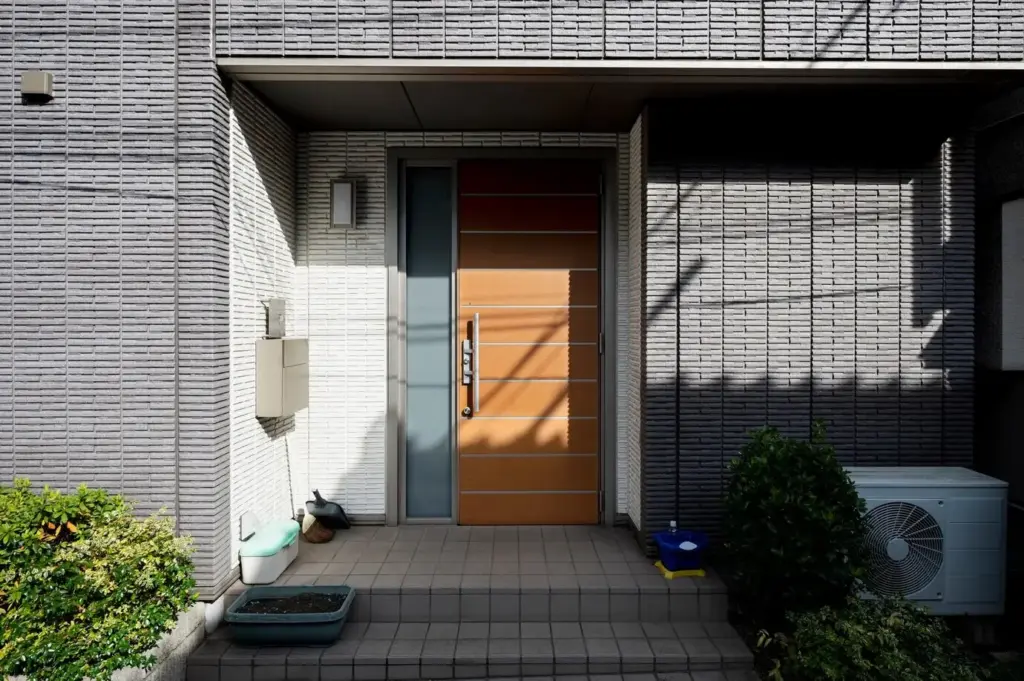
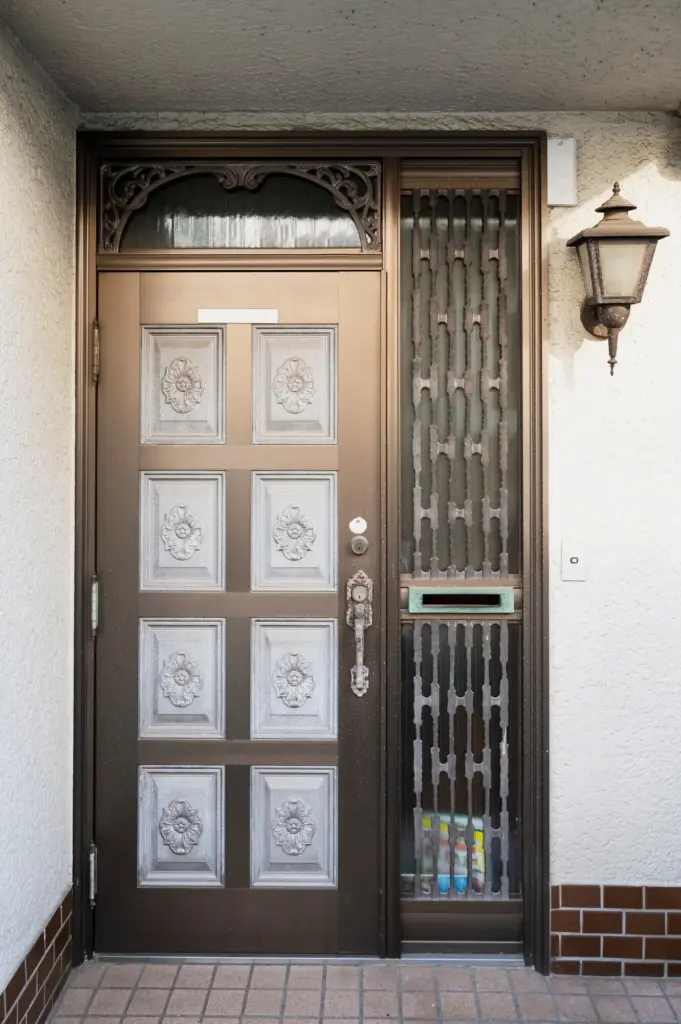
Design Principles for a Conversational Front Step

Rowhouses with Shared Stoops
In dense streets of brick rowhouses, shared stoops become neutral territory where kids trade cards, elders swap recipes, and newcomers learn names. One block in Baltimore painted numbers on stone treads to host impromptu readings, turning ordinary steps into playful invitations. The shared ownership model encourages responsibility and limits gatekeeping, while small repairs—fresh mortar, smooth edges, warm paint—signal care that draws people to linger respectfully without formal programming or signage.
Courtyard Entries in Warm Climates
In Mediterranean and Latin American neighborhoods, shaded courtyard thresholds blur home and public life. Residents perch on low walls, passing plates and stories. A cooperative in Mexico City strung lanterns along entry arcs, creating glow that extended conversations after sunset. Water features dampened noise, while textured tiles cooled bare feet. These sensory comforts nurture relaxed rhythms where greetings stretch, children play, and neighbors practice generous attention that weaves resilient social fabric.
Suburban Experiments with Deep Setbacks
Even in car-centric suburbs, residents can reclaim social edges. Convert a portion of the front lawn into a sitting garden with a low bench facing the sidewalk. Add a tiny library, a game table, or chalk hopscotch to invite play. One family hosted “Five-Minute Fridays,” offering lemonade on the step, which gradually led to tool sharing, school carpools, and a neighborhood text thread that strengthened safety and mutual support.
Materials, Details, and Small Gestures
Inclusive Design: Every Neighbor, Every Body
Accessible by Default, Not by Exception