Welcoming Every Step: Inclusive Entryways for Real Homes
Today we explore universal design at the home threshold—zero-step entries, thoughtfully integrated ramps, and accessible hardware that feels intuitive and trustworthy. Together, we will turn the front door from a silent barrier into an open invitation, balancing safety, weather protection, beauty, and independence for guests, children, elders, and every future version of you.




Why Thresholds Matter More Than You Think
The first inches at your door decide who can enter with grace and who must struggle. Strollers, rolling luggage, walkers, wheelchairs, and tired feet all meet the same edge. Reducing friction here improves daily life, protects dignity, strengthens hospitality, and quietly raises property value by welcoming more people with less effort.

Zero-Step Entries Done Right
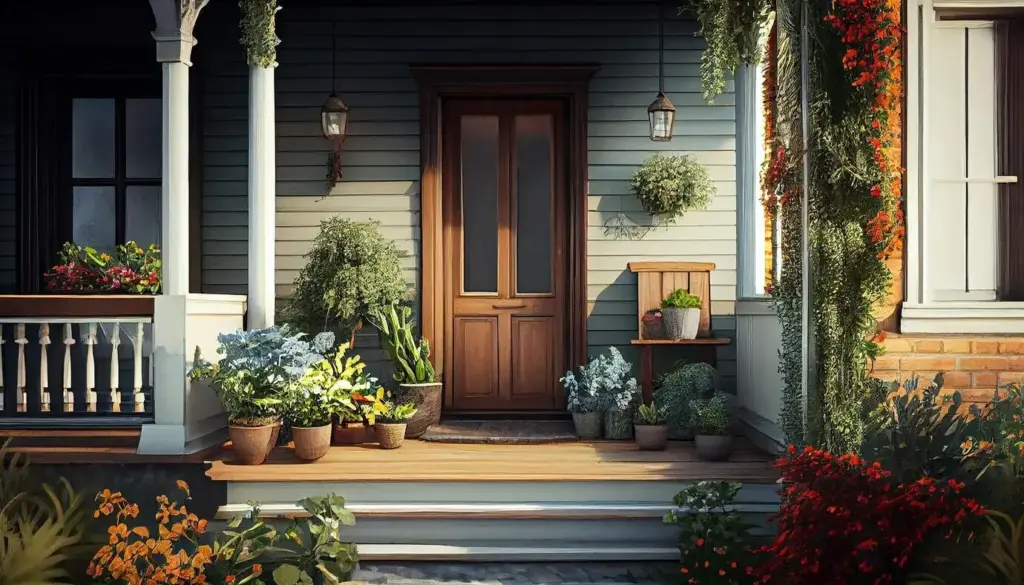
A true zero‑step entry is more than level flooring; it harmonizes grading, drainage, door systems, and weather defense. The goal is to protect against wind‑driven rain, snow, and splashback while keeping travel smooth and slip‑resistant. Done well, it looks intentional, feels effortless, and ages gracefully without demanding fussy maintenance.
Ramps That Feel Natural, Not Clinical
Slope, Run, and Landing Proportions
Gentler slopes feel better for everyone. Aim for 1:16 or 1:20 when space allows, with level landings at turns and doors to pause, maneuver, and rest. Generous width avoids crowding. When steeper slopes are unavoidable, increase rail support and traction, using clear sightlines that reduce anxiety for first‑time users.
Handrails and Edge Protection That Guide
Continuous handrails on both sides, with warm finishes and comfortable profiles, turn effort into confidence. Edge protection prevents wheel slip while subtly blending with trim. A tactile rail end signals arrival and departure. Good rails guide the body, pace the breath, and provide reassurance without visual heaviness or clinical associations.
Materials That Grip and Age Well
Choose surfaces that stay grippy when wet: textured concrete, broom finishes, resin‑bonded aggregates, grooved composite decking, or thermally modified wood with discreet traction strips. Consider color contrast at edges, UV stability, and replaceable wear zones. Materials should invite touch, handle seasons gracefully, and remain beautiful under real‑world foot traffic.
Accessible Hardware You’ll Love to Touch
Hardware can either fight the hand or cooperate with it. Levers, smart locks, offset hinges, and low‑effort closers transform daily interactions into fluid motions. Good placement, clear feedback, and forgiving tolerances help tired hands, full arms, and varied abilities, ensuring the door welcomes rather than confronts every arrival and exit.
Levers, Latches, and the Feel of Effort
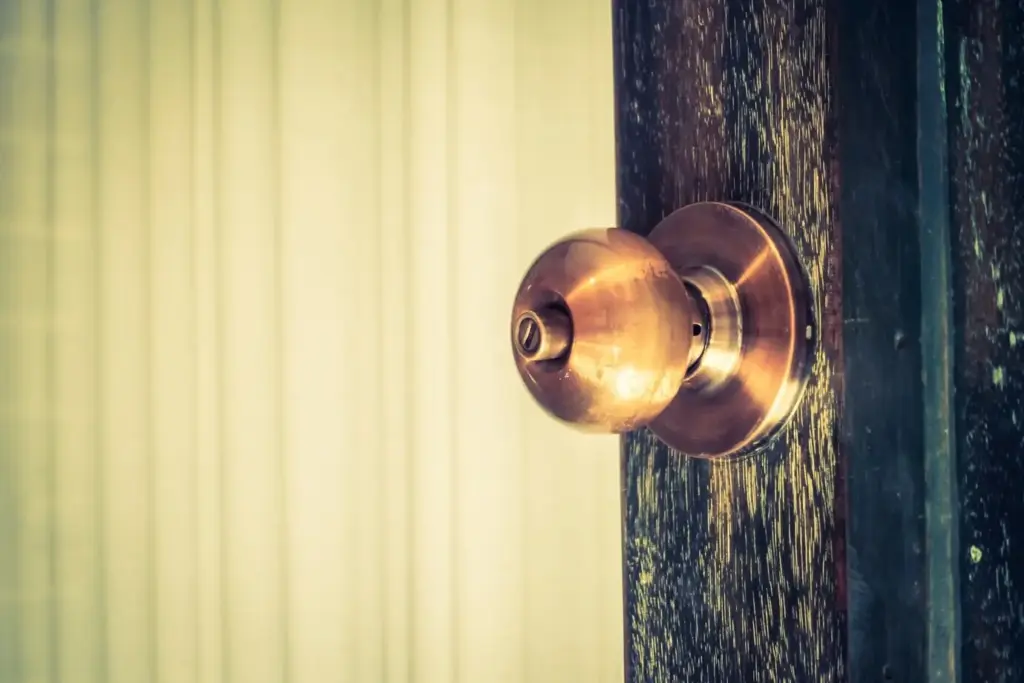
Replace knobs with lever handles shaped for a natural grip or forearm push. target low operating forces and smooth latches that confirm closure without slamming. Backplates and pulls add leverage for heavy doors. The goal is predictable movement with minimal strain, even when wearing gloves or carrying a sleeping child.
Smart Access Without Lockouts
Keypads, fobs, and phone‑based locks can prevent awkward fumbling at night or in rain. Combine tactile buttons, illuminated housings, and backup keys for resilience. Set shared codes for caregivers or deliveries. Thoughtful technology does not complicate entry; it quietly relieves friction and restores control when hands and schedules are overloaded.
Hinges, Clear Width, and Wrist-Friendly Motion
Offset (swing‑clear) hinges expand usable doorway width without reframing, improving maneuvering space for wheels and elbows. Paired with light‑duty closers or adjustable spring tension, doors swing predictably without snap‑back surprises. When hardware supports gentle arcs and generous clearances, movement feels natural, inviting repeated use without fear or fatigue.
Aesthetic Integration and Curb Appeal
Inclusive features can become the composition’s strongest lines. Plantings mask grade changes, lighting delineates edges, and textures reveal pathways. Color contrast clarifies steps without shouting. The front approach becomes a crafted experience, not an add‑on, elevating perceived quality while honoring comfort, safety, and a quietly confident sense of welcome.
Budgeting, Phasing, and DIY or Pro?
You can start small today and still aim for a beautifully integrated entry later. Prioritize friction‑reduction upgrades first, then layer in landscape changes, door systems, and lighting. Evaluate local codes, weather patterns, and maintenance realities. Decide where hands‑on effort makes sense and where professional expertise prevents expensive missteps.
Seasonal Inspections and Quick Fixes
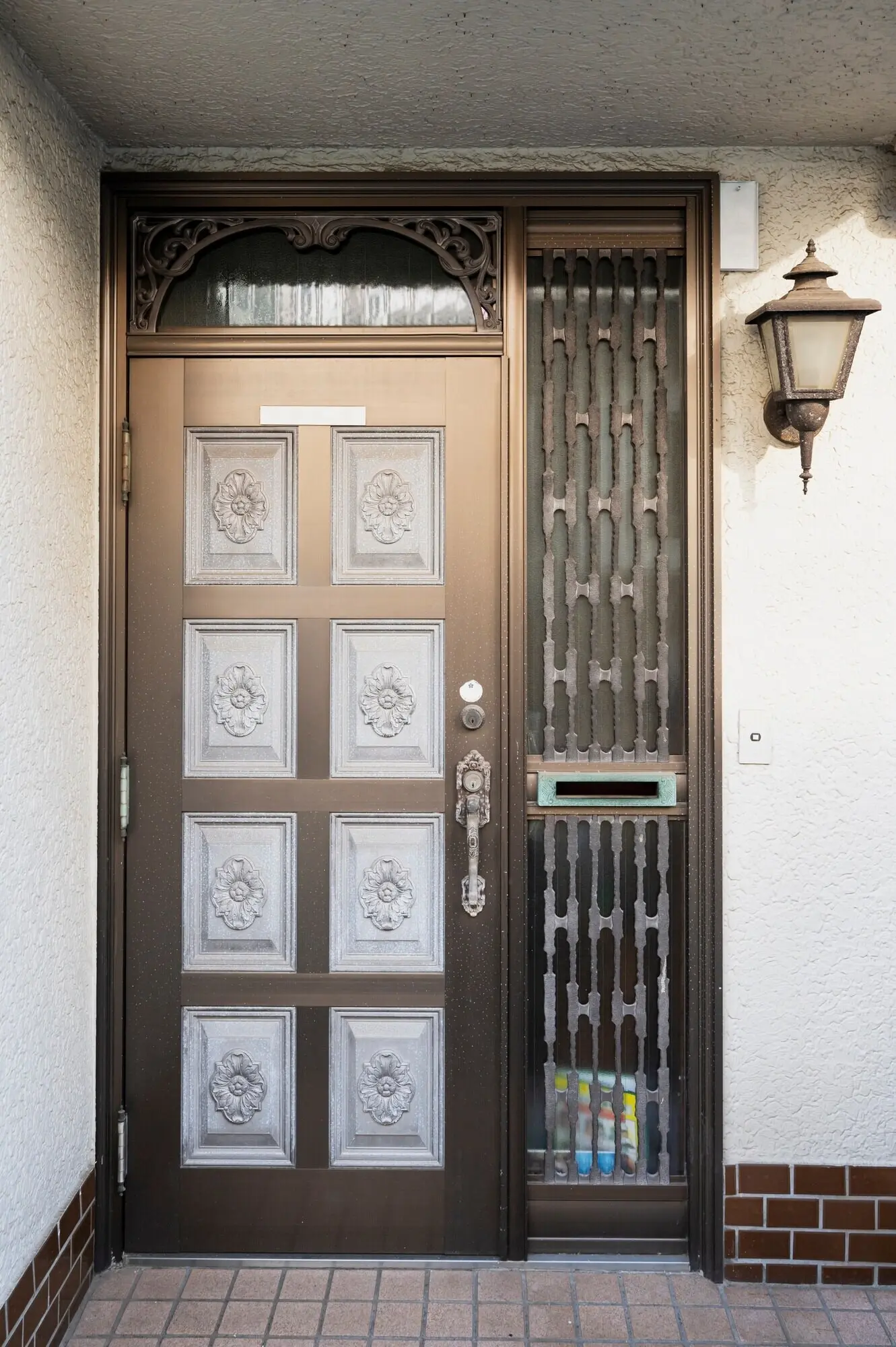
Clear leaves from drains, refresh grit in high‑wear spots, tighten rail brackets, and test weatherstripping with a flashlight at night. Replace worn traction strips before winter. These short routines prevent bigger repairs, preserving both safety and elegance so your welcoming experience remains steady through heat, rain, and ice.
User Feedback: Listen, Measure, Iterate
Invite friends with strollers, canes, and rolling luggage to approach without coaching, then observe. Where do hands reach? Where do wheels drift? Adjust rail heights, landing sizes, and lighting angles accordingly. Real bodies are the best testing instruments, transforming assumptions into measurable improvements that genuinely help daily life.